
Rescheduling cannabis: The potential collision of federal reform and Michigan’s legal reality
The U.S. Drug Enforcement Administration’s proposed rule to move marijuana from Schedule I to Schedule III under the Controlled Substances Act is poised to become the most significant …
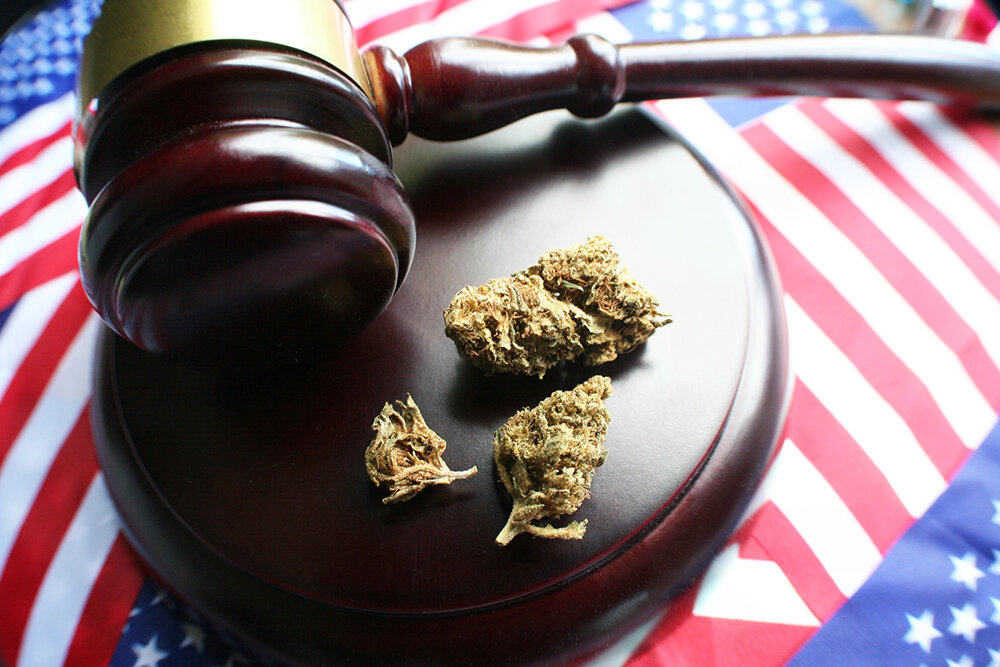
The U.S. Drug Enforcement Administration’s proposed rule to move marijuana from Schedule I to Schedule III under the Controlled Substances Act is poised to become the most significant regulatory action in the industry’s history. If finalized, the proposal would acknowledge for the first time that cannabis has an accepted medical use and a moderate to low potential for abuse. However, for a mature market like Michigan’s — where annual cannabis sales already exceed $3 billion — the pending change presents a complex mix of financial relief and regulatory uncertainties.
The Michigan Cannabis Regulatory Agency submitted formal comments to the DEA, warning that the federal government must provide clear, “whole-of-government guidance” or the rescheduling could “wreak havoc” on successful state programs.
Federal recognition validates Michigan’s patient base
The DEA’s proposal rests on recognizing medical utility, a point strongly supported by Michigan’s regulated data. The CRA presented this data to the federal government to reinforce the scale and patient need already established in the state.
- Patient base: Michigan has 129,099 registered, qualifying patients and 11,554 primary caregivers.
- Medical need: The vast majority of patients seek relief from chronic conditions. The most common debilitating conditions cited by patients are chronic pain (62.98%) and severe and chronic pain (41.52%).
The CRA deemed the move to Schedule III a “meaningful, paradigm-altering change” in federal policy, validating over a decade of state action and scientific consensus.
The economic game changer: Section 280E relief
The most substantial and immediate financial benefit for Michigan’s cannabis industry could be the effective repeal of Internal Revenue Code Section 280E. As a Schedule I substance, cannabis businesses have been unable to deduct ordinary business expenses — like payroll, utilities, and rent — resulting in staggering federal effective tax rates, often exceeding 70%.
If cannabis is reclassified to Schedule III, 280E would no longer apply. This single administrative action could free up billions in capital for Michigan businesses, enabling them to reinvest, hire more workers and become more competitive against the illicit market. The CRA has called for the U.S. Department of the Treasury to issue “clear guidance” on the implications of rescheduling for banking services and taxation.
Regulatory tensions: Compliance and standards
The CRA’s comments emphasize that a “whole-of-government approach” is critical for successful implementation. Since Schedule III drugs typically require a prescription, adherence to federal dispensing regulations and robust recordkeeping, the CRA raised core concerns about implementation.
- Dispensing rules: The agency noted that more than 35 states are already operating mature medical marijuana programs, “none of which likely comply with the requirements for Schedule III drugs.” Clear federal guidance is needed to prevent the disruption of the existing system of state-licensed dispensaries.
- Safety standards: The CRA is urging the Food and Drug Administration to consult with state regulators on how new federal standards for labeling, packaging and product safety testing will align with Michigan’s established, comprehensive regulations for contaminants and purity.
- Transportation: The CRA specifically requested guidance from the Federal Aviation Administration and other agencies regarding the transportation of medical and adult-use marijuana by aircraft or watercraft, a federal prohibition that could change with rescheduling.
The unresolved justice gap: The fate of Danny Trevino
Crucially, the proposed rescheduling of cannabis contains no provision for criminal justice reform. It will not automatically expunge records or free those incarcerated for nonviolent cannabis crimes.
The case of Danny Trevino serves as a stark, local reminder of this injustice. Trevino, a Lansing-area entrepreneur who successfully operated state-legal medical marijuana businesses in Michigan, was federally prosecuted. He was sentenced in January 2020 to nearly 16 years in federal prison for conspiracy and trafficking. This sentence was delivered under the Schedule I classification during the first Trump administration, which maintained a strict stance on federal cannabis enforcement.
Advocates are urgently calling for broader pardons and commutations for nonviolent federal cannabis offenders like Trevino. His continued incarceration while others in the state build massive, profitable empires under what would be the new federal rules highlights the urgent need for justice to accompany the administrative reform.