
Exploring Alternatives to Dispose of Your Old Car Responsibly
When your car reaches the end of its life, the question of what to do with it can be daunting. Simply abandoning it is not an option, as this can lead to environmental damage and is often illegal. …
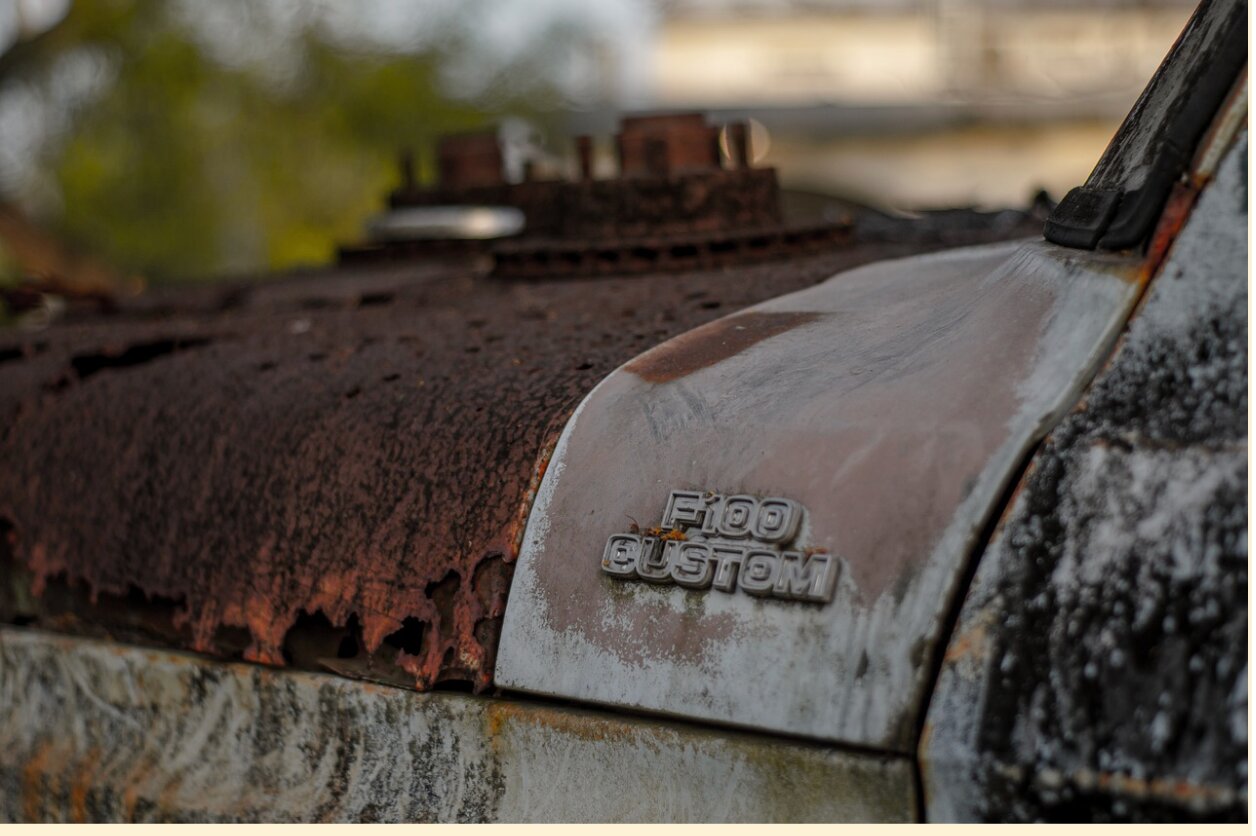
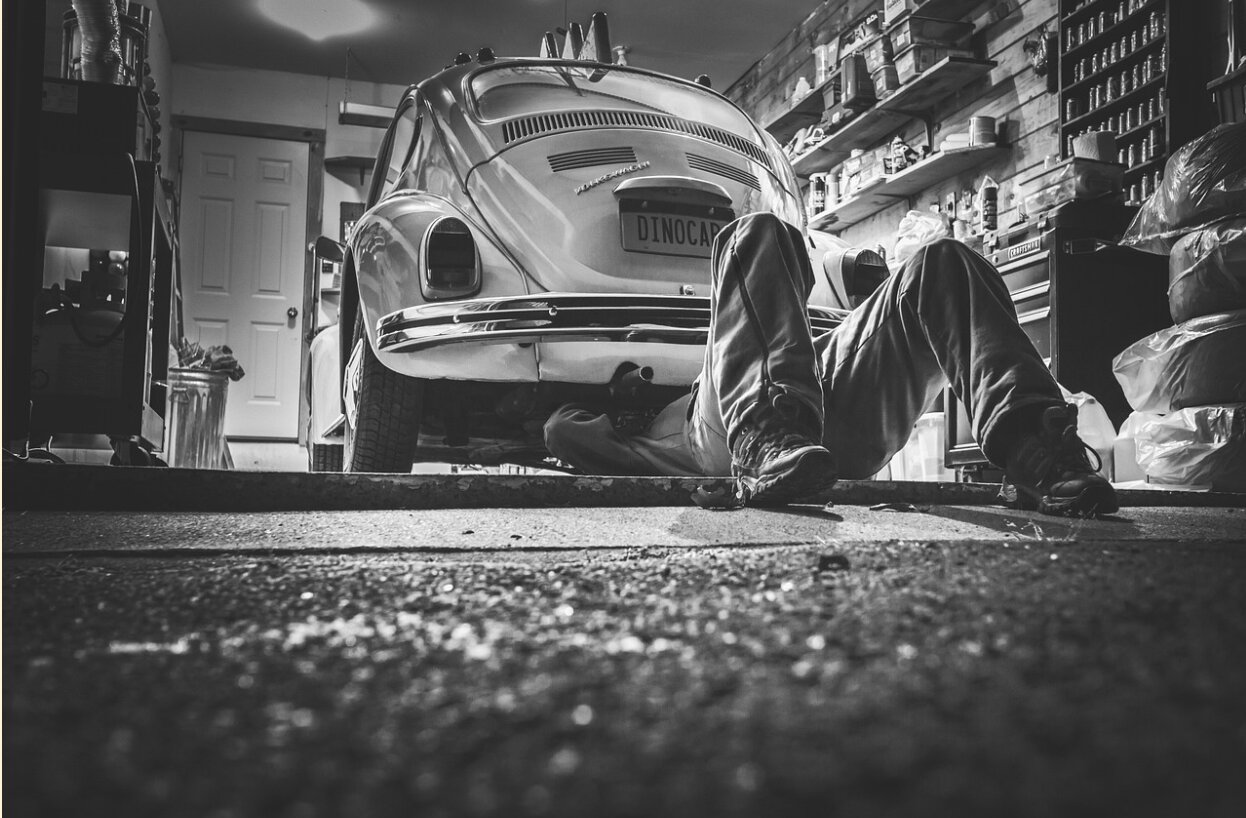
When your car reaches the end of its life, the question of what to do with it can be daunting. Simply abandoning it is not an option, as this can lead to environmental damage and is often illegal. Fortunately, there are several responsible ways to dispose of your old ride that benefit you and the environment.
The Importance of Responsible Car Disposal
Old cars contain various materials, such as oil, gas, and antifreeze, that can pose serious environmental risks if not disposed of correctly. Many vehicles also contain hazardous components such as lead-acid batteries, mercury switches, and other toxic substances. A responsible disposal method will allow you to minimize environmental harm and make sure the car’s components are either safely discarded or recycled for reuse.
Additionally, responsible disposal ensures that valuable materials like steel, aluminum, rubber, and plastic are recovered and recycled. In fact, about 80 to 85 percent of a vehicle’s weight can be recycled, which makes it a valuable resource. Given these facts, it’s essential to consider alternatives that avoid simply dumping or leaving your vehicle abandoned.
Common Methods of Car Disposal
Recycle with a Certified Salvage Yard
Certified auto salvage yards or scrapyards specialize in dismantling vehicles, recovering valuable parts, and recycling usable materials. Scrapyards will typically handle hazardous fluids, such as oil, gas, and antifreeze, properly so that they don’t leak into the environment. In addition to the environmental benefits, many salvage yards will offer you a price for your old vehicle based on its weight, materials, and market demand for parts.
When you choose to recycle your car this way, make sure the salvage yard is certified by a reputable organization and adheres to environmental regulations. Many states and municipalities require junkyards to follow specific guidelines for handling waste, so this is a good way to ensure the disposal process is safe and legal.
Donate Your Car to Charity
Charities like the Salvation Army, Goodwill, and local non-profits often accept cars in any condition, and in many cases, you can claim the donation as a tax deduction. Many of these organizations partner with third-party services that handle the towing and paperwork for free, making the process simple and convenient.
Not only are you helping others by donating a car, but you’re also ensuring that the vehicle is reused or recycled by those who can benefit from it. Some charities may even sell the car to fund their services, while others may directly distribute it to someone in need of a vehicle. Either way, it’s a socially responsible choice that benefits you and the community.
Sell the Car for Parts
Selling your old ride for parts is a great alternative if it still has functioning components that could be reused, such as the engine, transmission, or body panels. You can sell the parts directly to individuals, to auto repair shops, or to online marketplaces that specialize in used car parts.
This might be a bit more time-consuming compared to other methods, but it can be an excellent way to get some extra cash while ensuring the components are reused rather than thrown away. Just make sure to remove personal items from the vehicle and get rid of old license plates before selling, and be mindful of local laws about selling parts or scrap metal.
Use Trade-in Programs
Car dealerships often offer trade-in programs where you can exchange your old vehicle for credit toward a newer model. While trade-ins usually apply to cars that are still in reasonable condition, some dealerships accept older vehicles in exchange for incentives. The dealership will typically send these vehicles to the scrapyard or recycling center, where parts can be recovered and the car is recycled.
The value of the trade-in depends on the condition of the car, the demand for used parts, and the dealership’s policy. Some dealerships offer higher trade-in values for cars that are in good working condition, while others might give a flat rate for older cars.
Enroll in a Car Buyback Program
Several states and local governments have implemented car buyback programs that aim to reduce the number of old and polluting vehicles on the roads. These programs often offer financial incentives for individuals to turn in their older, less fuel-efficient cars for newer, more eco-friendly models. In some cases, these programs are designed specifically to target high-emission vehicles or those that are at risk of being abandoned.
While car buyback programs are not available everywhere, they can be an excellent option for those looking to upgrade to a more environmentally friendly vehicle and get rid of their old one responsibly. Keep an eye out for these programs, especially when they are tied to larger government sustainability goals or environmental initiatives.
Advantages of Responsible Car Disposal
- Environmental protection: Proper disposal prevents hazardous fluids from contaminating the soil and water.
- Resource recovery: Valuable materials such as metals and plastics are recycled and reused.
- Reduction of landfill waste: Disposing of vehicles responsibly keeps large, non-biodegradable items out of landfills, which contributes to waste reduction and resource conservation.
- Job creation: The recycling and auto parts industries benefit from increased vehicle disposal.
- Financial incentives: Programs like trade-ins and buybacks can provide financial relief or incentives.
- Energy conservation: Recycling metals and materials from old vehicles requires less energy compared to producing new materials, which reduces overall energy consumption and carbon emissions.
To Wrap up
Disposing of your old car responsibly is crucial to protecting the environment, reclaiming valuable resources, and reducing the number of abandoned vehicles that can harm neighborhoods. No matter if you choose to recycle, donate, sell for parts, or participate in a trade-in program, there are numerous ways to dispose of your vehicle responsibly. Taking the time to choose one of these alternatives ensures that your car doesn’t end up as waste and gives it a chance to benefit others or contribute to a sustainable future.
Author

Related Articles

Jokaroom VIP: a straight-talking look for Aussie players
players
Start at Jokaviproom to find new experiences and get moving. Prefer a quick taste before you commit? Try pokies like Elvis Frog in Vegas or Aztec Magic Bonanza to see the pace and …

AI without illusions: How the role of artificial intelligence in business is transforming in 2026
A few years ago, artificial intelligence (AI) seemed like something abstract, futuristic, accessible only to large corporations with gigantic budgets. However, by 2026, AI is turning into a tool for …

Pick a mascot, pick your pace
Jump into 5Gringos Casino . New punters at this 5Gringos online Casino can choose a straightforward starter match with a handful of free spins—easy to understand, handy if you want a quick try. …